Basics of Writing a Will: What Everyone Should Know
No one likes thinking about their own death, but writing a will is one of the most important things you can do to protect your family and make sure your wishes are actually followed. This guide covers everything a beginner needs to know, from what a will actually does to how to keep it valid over time.
What a Will Actually Does
A will is a legal document that states how you want your property distributed after you die. It can also name a guardian for your minor children and name an executor, the person responsible for carrying out your instructions. Without a will, state law decides how your property is divided, which may not match what you actually wanted.
What Happens If You Die Without a Will
Dying without a will is called dying “intestate.” When this happens, a court follows your state’s intestacy laws to distribute your property, usually to your closest relatives in a fixed order, such as spouse and children first. This process can be slower, more expensive, and may leave out people you would have wanted to include, such as a long-term partner you were not legally married to.
What to Include in a Basic Will
Requirements to Make a Will Legally Valid
Requirements vary by state, but most require that you be of sound mind and at least 18 years old, that the will be in writing, and that you sign it in front of a required number of witnesses, usually two, who are generally not beneficiaries. Roughly half of U.S. states recognize handwritten, unwitnessed wills, called holographic wills, as valid under certain conditions, usually requiring the material provisions and signature to be entirely in the testator’s own handwriting; the other half do not recognize them at all, so it is worth confirming your specific state’s rule.
| Requirement | Typical Rule |
|---|---|
| Age and mental capacity | 18 years or older, of sound mind |
| Form | Must be in writing |
| Witnesses | Usually two, and generally not beneficiaries |
| Notarization | Not always required, but recommended (often needed for a “self-proving” will) |
| Holographic (handwritten) wills | Valid in roughly half of states; not recognized in the rest |
Do You Need a Lawyer?
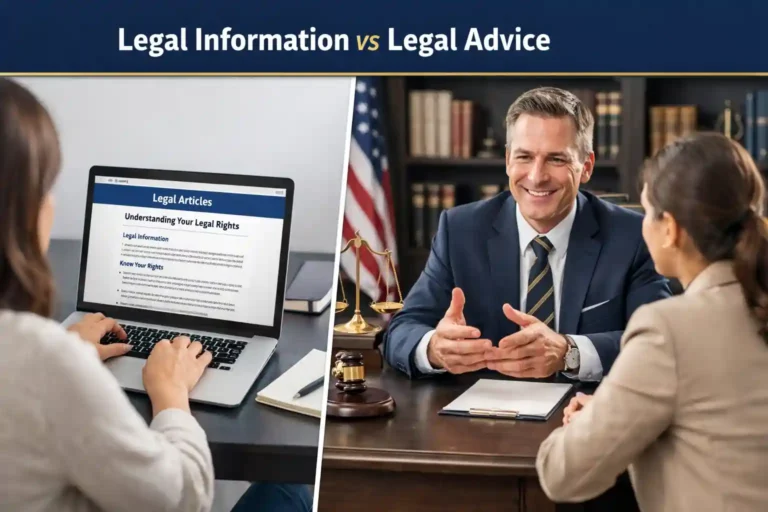
For simple estates, many people use online will-making services or state-provided forms. If you have a larger estate, blended family, business ownership, or complicated family situations, working with an estate planning attorney reduces the risk of mistakes that could cause problems or disputes later.
Keeping Your Will Updated and Where to Store It
Major life events like marriage, divorce, the birth of a child, or a significant change in assets are all good reasons to review and update your will. An outdated will can create confusion or leave out people you now want included. Keep the original in a safe but accessible place, and tell your executor where to find it; some states let you file your will with the local court for safekeeping while you are alive.
Conclusion
A will does not have to be complicated to be effective. For most people, naming an executor, deciding who gets what, and naming a guardian if there are minor children covers the essentials. What matters most is actually doing it, since dying without a will hands the decision to state intestacy law and a court instead of to you.
Once your will is signed and properly witnessed, revisit it after any major life change. A will written years ago, before a divorce or a new child, can create real problems if it is never updated.
This article is for general information only and is not legal advice. Will requirements vary by state, so consult an estate planning attorney for guidance specific to your situation.
Frequently Asked Questions
Sources: Uniform Law Commission, Uniform Probate Code (will execution and holographic will provisions).